NCERT Book Class 8 Social Science (History) Chapter 7 Women, Caste and Reform
Finished viewing? Save it for later —
Download NCERT Book Class 8 Social Science (History) Chapter 7 Women, Caste and Reform (PDF · 13 pages)About NCERT Book Class 8 Social Science (History) Chapter 7 Women, Caste and Reform
NCERT Book Class 8 Social Science (History) Chapter 7 Women, Caste and Reform is available here for free download. Published by NCERT for Class 8, this books can be viewed online or downloaded as a PDF (13 pages). Candidates preparing for Class 8 can use NCERT Book Class 8 Social Science (History) Chapter 7 Women, Caste and Reform to understand the exam pattern, the type of questions asked, and the overall difficulty level.
Frequently Asked Questions
How can I download NCERT Book Class 8 Social Science (History) Chapter 7 Women, Caste and Reform?
Open this page and click the Download button to save NCERT Book Class 8 Social Science (History) Chapter 7 Women, Caste and Reform as a PDF. It is completely free on AglaSem Docs.
Is NCERT Book Class 8 Social Science (History) Chapter 7 Women, Caste and Reform free to download?
Yes. NCERT Book Class 8 Social Science (History) Chapter 7 Women, Caste and Reform can be viewed online and downloaded as a PDF free of cost on AglaSem Docs.
How many pages does NCERT Book Class 8 Social Science (History) Chapter 7 Women, Caste and Reform have?
NCERT Book Class 8 Social Science (History) Chapter 7 Women, Caste and Reform contains 13 pages, which you can read online or download together as a single PDF.
Where can I find more Class 8 study material?
You can find more Class 8 question papers, sample papers, syllabus, and answer keys on AglaSem Docs.
NCERT Book Class 8 Social Science (History) Chapter 7 Women, Caste and Reform – Text
Read the full text of this books below — useful to quickly search, copy and reference the content online without downloading the PDF.
📄 View text version (1 page)
Page 1
Reform
Have you ever thought of how children lived about two
hundred years ago? Nowadays most girls from middle-
class families go to school, and often study with boys. On
growing up, many of them go to colleges and universities,
and take up jobs after that. They have to be adults before
they are legally married, and according to law, they can
marry anyone they like, from any caste and community,
and widows can remarry too. All women, like all men,
can vote and stand for
elections. Of course, these
rights are not actually
enjoyed by all. Poor people
have little or no access to
education, and in many
families, women cannot
choose their husbands.
Two hundred years ago
things were very different.
Most children were married
off at an early age. Both
Hindu and Muslim men
could marry more than
one wife. In some parts of
the country, widows were
praised if they chose death
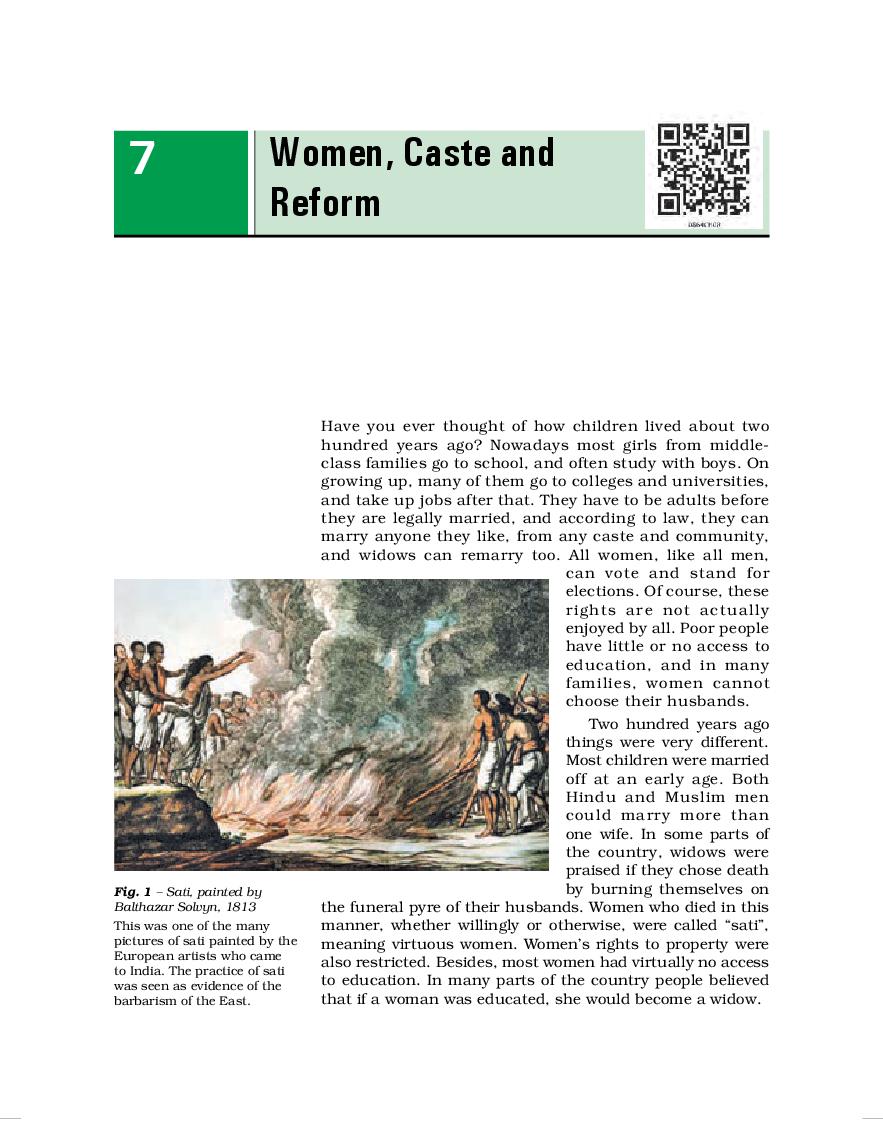
Fig. 1 – Sati, painted by by burning themselves on
Balthazar Solvyn, 1813 the funeral pyre of their husbands. Women who died in this
This was one of the many manner, whether willingly or otherwise, were called “sati”,
pictures of sati painted by the meaning virtuous women. Women’s rights to property were
European artists who came
also restricted. Besides, most women had virtually no access
to India. The practice of sati
was seen as evidence of the to education. In many parts of the country people believed
barbarism of the East. that if a woman was educated, she would become a widow.
Chap 7.indd 78 8/31/2022 5:02:04 PM
Showing the first page only. Download the PDF above for the complete document.
Document Details
| Board / Org | NCERT |
| Exam | Class 8 |
| Type | Books |
| Pages | 13 |
| Updated | 22 Jul 2026 |