aglasem.com
Schools Admission Mock Test Playground
ClassChoose class
StateSelect state

TBSE Class 12 Syllabus 2021 Economics
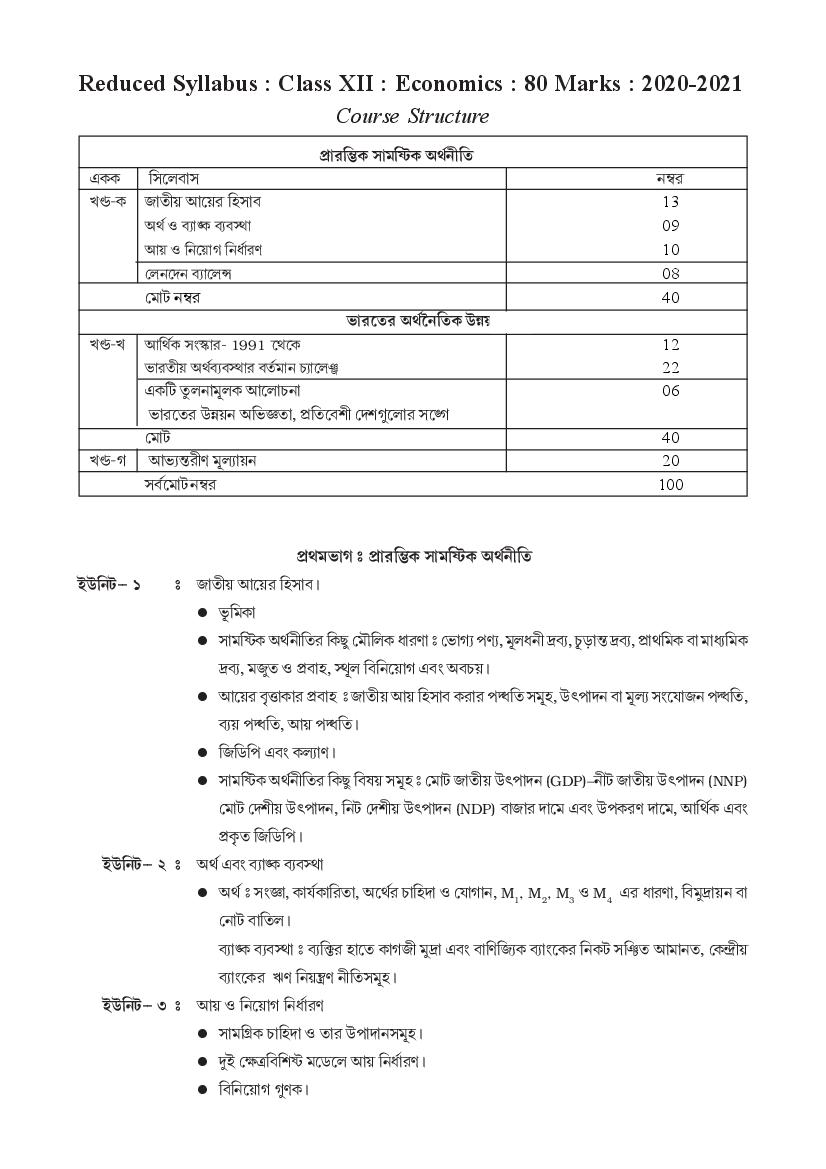
Tripura Board of Secondary Education (TBSE) has reduced the syllabus for the academic year 2021. Get here TBSE Class 12 Syllabus 2021 Economics More Detail
TBSE Class 12 Syllabus 2021 Economics - Page 1 of 5

Finished viewing? Save it for later —

Download TBSE Class 12 Syllabus 2021 Economics (PDF · 5 pages)
Downloaded 6 times

About TBSE Class 12 Syllabus 2021 Economics

TBSE Class 12 Syllabus 2021 Economics is available here for free download. Published by Tripura Board for Class 12, this syllabus can be viewed online or downloaded as a PDF (5 pages). Candidates preparing for Class 12 can use TBSE Class 12 Syllabus 2021 Economics to understand the exam pattern, the type of questions asked, and the overall difficulty level.

Frequently Asked Questions

How can I download TBSE Class 12 Syllabus 2021 Economics?

Open this page and click the Download button to save TBSE Class 12 Syllabus 2021 Economics as a PDF. It is completely free on AglaSem Docs.

Is TBSE Class 12 Syllabus 2021 Economics free to download?

Yes. TBSE Class 12 Syllabus 2021 Economics can be viewed online and downloaded as a PDF free of cost on AglaSem Docs.

How many pages does TBSE Class 12 Syllabus 2021 Economics have?

TBSE Class 12 Syllabus 2021 Economics contains 5 pages, which you can read online or download together as a single PDF.

Where can I find more Class 12 study material?

You can find more Class 12 question papers, sample papers, syllabus, and answer keys on AglaSem Docs.

TBSE Class 12 Syllabus 2021 Economics – Text

Read the full text of this syllabus below — useful to quickly search, copy and reference the content online without downloading the PDF.

📄 View text version (5 pages)

Page 1

Reduced Syllabus : Class XII : Economics : 80 Marks : 2020-2021
Course Structure
≤ÃyÓ˚!Ω˛Ü˛ §yÙ!T˛Ü˛ xÌ≈l#!ï˛
~ܲܲ !§ˆÏ°Óy§ l¡∫Ó˚
á[˛ÈüÈܲ çyï˛#Î˚ xyˆÏÎ˚Ó˚ !•§yÓ 13
xÌ≈ G ÓƒyAܲ ÓƒÓfiÌy 09
xyÎ˚ G !lˆÏÎ˚yà !lô≈yÓ˚î 10
ˆ°lˆÏòl ÓƒyˆÏ°™ 08
ˆÙyê˛ l¡∫Ó˚ 40
˲yÓ˚ˆÏï˛Ó˚ xÌ≈˜Ïl!ï˛Ü˛ í˛zߨÎ˚l
á[˛ÈüÈá xy!Ì≈ܲ §ÇflÒyÓ˚ÈüÈ 1991 ˆÏ̈Ïܲ 12
˲yÓ˚ï˛#Î˚ xÌ≈ÓƒÓfiÌyÓ˚ Óï≈˛Ùyl ã˛ƒyˆÏ°O 22
~ܲ!ê˛ ï%˛°lyÙ)°Ü˛ xyˆÏ°yã˛ly 06
˲yÓ˚ˆÏï˛Ó˚ í˛zߨÎ˚l x!˲K˛ï˛yñ ≤Ã!ï˛ˆÏÓ¢# ˆò¢à%ˆÏ°yÓ˚ §ˆÏAà
ˆÙyê˛ 40
á[˛ÈüÈà xy˲ƒhs˝Ó˚#î Ù)°ƒyÎ˚l 20
§Ó≈ˆÏÙyê l¡∫Ó˚˛ 100

˛≤ÃÌÙ˲yà / ≤ÃyÓ˚!Ω˛Ü˛ §yÙ!T˛Ü˛ xÌ≈l#!ï˛
•zí˛z!lê˛Èüü 1 / çyï˛#Î˚ xyˆÏÎ˚Ó˚ !•§yÓ–
l Ë)˛!Ùܲy
l §yÙ!T˛Ü˛ xÌ≈l#!ï˛Ó˚ !ܲS%È ˆÙÔ!°Ü˛ ôyÓ˚îy / ˆË˛yàƒ ˛õîƒñ Ù)°ôl# oÓƒñ ã)˛í˛¸yhs˝ oÓƒñ ≤ÃyÌ!Ùܲ Óy Ùyôƒ!Ùܲ
oÓƒñ Ùç%ï˛ G ≤ÃÓy•ñ fiÌ)° !Ó!lˆÏÎ˚yà ~ÓÇ xÓã˛Î˚–
l xyˆÏÎ˚Ó˚ Ó,_yܲyÓ˚ ≤ÃÓy• / çyï˛#Î˚ xyÎ˚ !•§yÓ Ü˛Ó˚yÓ˚ ˛õÂô!ï˛ §Ù)•ñ í˛zͲõyòl Óy Ù)°ƒ §ÇˆÏÎyçl ˛õÂô!ï˛ñ
ÓƒÎ˚ ˛õÂô!ï˛ñ xyÎ˚ ˛õÂô!ï˛–
l !ç!í˛!˛õ ~ÓÇ Ü˛°ƒyî–
l §yÙ!T˛Ü˛ xÌ≈l#!ï˛Ó˚ !ܲS%È !Ó£ÏÎ˚ §Ù)• / ˆÙyê˛ çyï˛#Î˚ í˛zͲõyòl (GDP)–l#ê˛ çyï˛#Î˚ í˛zͲõyòl (NNP)
ˆÙyê˛ ˆò¢#Î˚ í˛zͲõyòlñ !lê˛ ˆò¢#Î˚ í˛zͲõyòl (NDP)È ÓyçyÓ˚ òyˆÏÙ ~ÓÇ í˛z˛õܲÓ˚î òyˆÏÙñ xy!Ì≈ܲ ~ÓÇ
≤ÃÜ,˛ï˛ !ç!í˛!˛õ–
•zí˛z!lê˛Èüü 2 / xÌ≈ ~ÓÇ ÓƒyAܲ ÓƒÓfiÌy
l xÌ≈È / §ÇK˛yñ ܲyÎ≈ܲy!Ó˚ï˛yñ xˆÏÌ≈Ó˚ ã˛y!•òy G ˆÎyàylñ M1, M2, M3 G M4 ~Ó˚ ôyÓ˚îyñ !ÓÙ%oyÎ˚l Óy
ˆlyê˛ Óy!ï˛°–
ÓƒyAܲ ÓƒÓfiÌy / Óƒ!=˛Ó˚ •yˆÏï˛ Ü˛yàç# Ù%oy ~ÓÇ Óy!î!çƒÜ˛ ÓƒyLjÏܲÓ˚ !lÜ˛ê˛ §!M˛ï˛ xyÙylï˛ñ ˆÜ˛w#Î˚
ÓƒyLjÏܲÓ˚ }î !lÎ˚sfî l#!ï˛§Ù)•–
•zí˛z!lê˛Èüü 3 / xyÎ˚ G !lˆÏÎ˚yà !lô≈yÓ˚î
l §yÙ!@˝Ãܲ ã˛y!•òy G ï˛yÓ˚ í˛z˛õyòyl§Ù)•–
l ò%•z ˆ«˛e!Ó!¢T˛ ÙˆÏí˛ˆÏ° xyÎ˚ !lô≈yÓ˚î–
l !Ó!lˆÏÎ˚yà à%îܲ–

Page 2

•zí˛z!lê˛Èüü 4 / ˆ°lˆÏòl ÓƒyˆÏ°O
l ã˛°!ï˛ áyˆÏï˛ ~ÓÇ Ù)°ôl# áyˆÏï˛ Ë˛yÓ˚§yÙƒñ
l Óy!îˆÏçƒÓ˚ ˲yÓ˚§yÙƒ–
l ˆ°lˆÏòl ÓƒyˆÏ°O í˛zm,_ ~ÓÇ âyê˛!ï˛–
!mï˛#Î˚ ˲yà / ˲yÓ˚ˆÏï˛Ó˚ xÌ≈˜Ïl!ï˛Ü˛ í˛zߨÎ˚l
•zí˛z!lê˛Èüü 5 / xÌ≈˜Ïl!ï˛Ü˛ §ÇflÒyÓ˚ÈüüüÈ1991 ˆÏ̈Ïܲ í˛zòyÓ˚#ܲÓ˚îñ ˆÓ§Ó˚ܲyÓ˚#ܲÓ˚î ~ÓÇ !ÓŸªyÎ˚ˆÏlÓ˚ ˜Ó!¢T˛ƒ ~ÓÇ à%Ó˚%c–
•zí˛z!lê˛Èüü 6 / ˲yÓ˚ï˛#Î˚ xÌ≈yƒÓfiÌyÓ˚ Óï≈˛Ùyl ã˛ƒyˆÏ°O
òy!Ó˚o / §ÇK˛yñ ˛õÓ˚Ù ~ÓÇ xyˆÏ˛õ!«˛Ü˛ñ òy!Ó˚ˆÏoÓ˚ ˛õ!Ó˚Ùyîñ ˲yÓ˚ˆÏï˛ òy!Ó˚ˆÏoÓ˚ ôyÓ˚yñ òy!Ó˚ˆÏoÓ˚ ܲyÓ˚îñ òy!Ó˚o ò)Ó˚#ܲÓ˚î
l#!ï˛ Óy ܲÙ≈§)!ã˛ ÈüüüÈ ~ܲ!ê˛ §ÙyˆÏ°yã˛lyÙ)#°Ü˛ Ù)°ƒyÎ˚l–
˲yÓ˚ˆÏï˛Ó˚ ÙylÓ Ù)°ôl àë˛l / ôyÓ˚îy G í˛zͧñ ÙylÓ Ù)°ôl G ÙylÓ í˛zߨÎ˚lñ ˲yÓ˚ˆÏï˛ ÙylÓ Ù)°ôlñ ˲yÓ˚ˆÏï˛Ó˚ !¢«˛yˆÏ«˛eñ
ÙylÓ Ù)°ôl àë˛ˆÏlÓ˚ ˜Ó!¢T˛ƒ–
@˝ÃyˆÏÙyߨÎ˚l / ôyÓ˚îyñ Ù)° !Ó£ÏÎ˚§Ù)• ÈüüüÈ }î G !Ó˛õîlñ ˜çÓ Ü,˛!£Ï–
˛õ!Ó˚ܲyë˛yˆÏÙy / §ÇK˛yñ ˛õ!Ó˚ܲyë˛yˆÏÙyàï˛ í˛zߨÎ˚l G xÌ≈˜Ïl!ï˛Ü˛ í˛zߨÎ˚lñ !Ó!˲ߨ ôÓ˚ˆÏlÓ˚ ˛õ!Ó˚ܲyë˛yˆÏÙy–
•zí˛z!lê˛ÈüÈ7 / ˲yÓ˚ˆÏï˛Ó˚ í˛zߨÎ˚ˆÏlÓ˚ x!˲K˛ï˛y ≤Ã!ï˛ˆÏÓ!¢ ˆò¢à%!°Ó˚ §ˆÏAà ï%˛°lyÙ)°Ü˛ xyˆÏ°yã˛ly /
˲yÓ˚ï˛ G ˛õy!ܲhflÏylñ ˲yÓ˚ï˛ G ã˛#l
!Ó!˲ߨ !òܲ / xÌ≈˜Ïl!ï˛Ü˛ !Óܲy¢ñ çl§Çáƒyñ !Ó!˲ߨ ˆ«˛ˆÏeÓ˚ í˛zߨÎ˚l ~ÓÇ ÙylÓ í˛zߨÎ˚l §)ã˛Ü˛§Ù)•–

Page 3

Reduced Syllabus : Class XII : Economics : 80 Marks : 2020-2021
Course Structure
Unit Content Marks
Introductory Macroeconomics
National Income Accounting 13
Part-A Money & Banking 09
Determination of Income and Employment 10
Balance of payment 08
Mark 40
Introductory Microeconomics
Economic Reforms since-1991 12
Current Challenges facing Indian Economy 22
Part-B
Development Experience of India: 06
A comparison with Neighbours
40
Internal Assesment 20
Part-C
Grand Total 100

Part A : Introductory Macroeconomics

Unit-1 : National Income Accounting
Introduction : Basic concepts of Macroeconomics – Consumption goods, Capital goods, Final goods,
Intermediate goods, Stocks and Flows, Gross and Net Investment and Depreciation. Circular flow of
income (two sector model), Methods of Measuring National Income – Product or Value Added
Method, Expenditure method, Income method; GDP and Welfare. Some Conceptual Understanding
relating to National Income Accounting : Gross National Product (GNP), Net National Product
(NNP), Gross Domestic Product (GDP) and Net Domestic Product (NDP)- at market price, at
factor cost, Real and Nominal GDP.

Unit-2 : Money and Banking
Money : Meaning, Function, Demand and Supply of money, Concepts of M1, M2, M3 and M4,
Demonetization.
Banking : Currency held by the public and net demand deposits held by Commerical banks, Credit
control policy of Central Bank.

Unit 3 : Determination of Income and Employment
Aggregate demand and its components, Determination of Income in a two-sector model, Investment
Multiplier.
Unit4 : Balance of Payments
Balance of Current Account and Capital Account, Balance of Trade, Deficit and Surplus in Balance
of Payment.

Page 4

Part B : Indian Economic Development

Unit 5 : Economic Reforms since 1991
Features and appraisal of Liberalisations, Privatisation and Globalisation (LPG Policy)

Unit 6 : Current challenges facing Indian Economy
Poverty : Definition – Absolute and Relative, Measurement of poverty, Trends of Poverty in India,
Reasons of Poverty, Poverty Alleviation Programmes– A critical Assessment.
Human Capital Formation : Concept and Origin, Human capital and Human Development, Human
capital in India, Indian Education Sector, Future of Human Capital Formation.
Rural Development : Definition, Key issues - Credit and Marketing, Organic Farming.
Infrasturcture : Meaning, Infrastructure Development and Economic Development, various types of
Infrastructure.

Unit 7 : Development Experience of India
A comparison with neighbours : India and Pakistan, India and China Issues : Economic Growth,
Population, Sectoral Development and other Human Development Indicators.

Page 5

Blue Print of Question : Class XII : Economics : 80 marks : 2020-2021
Final Examinaton

Topic Short Short Long Long
Unit MCQ Answer Answer Answer
1 marks 3 marks 4 marks 6 marks Total
Part-A Introductory Macro Economics
National Income Acconting 3 -- 1 1 13

Money & Banking 2 1 1 -- 09
Determination of Income and 3 1 1 -- 10
Employment
Balance of Payment 2 -- -- 1 08
Total- 10 02 03 02 40

Part-B Indian Economic Development :
Economic Reforms Since-1991 3 1 -- 1 12
Current Challenges facing Indian
Economy 5 1 2 1 22
Development Experience of India–
A comparison with neighbours 2 -- 1 -- 06

Sub Total- 10 02 03 02 40
Grand Total 20 04 06 04 80 (34Q)

Document Details

Board / OrgTripura Board
ExamClass 12
TypeSyllabus
Pages5
Updated30 Apr 2026